
Underlay, Beading and Trims: Why They Save Your Floor
Underlay, scotia and door bars decide how a new floor sounds and how long it lasts. Our Dublin fitters explain how to match accessories to your room.
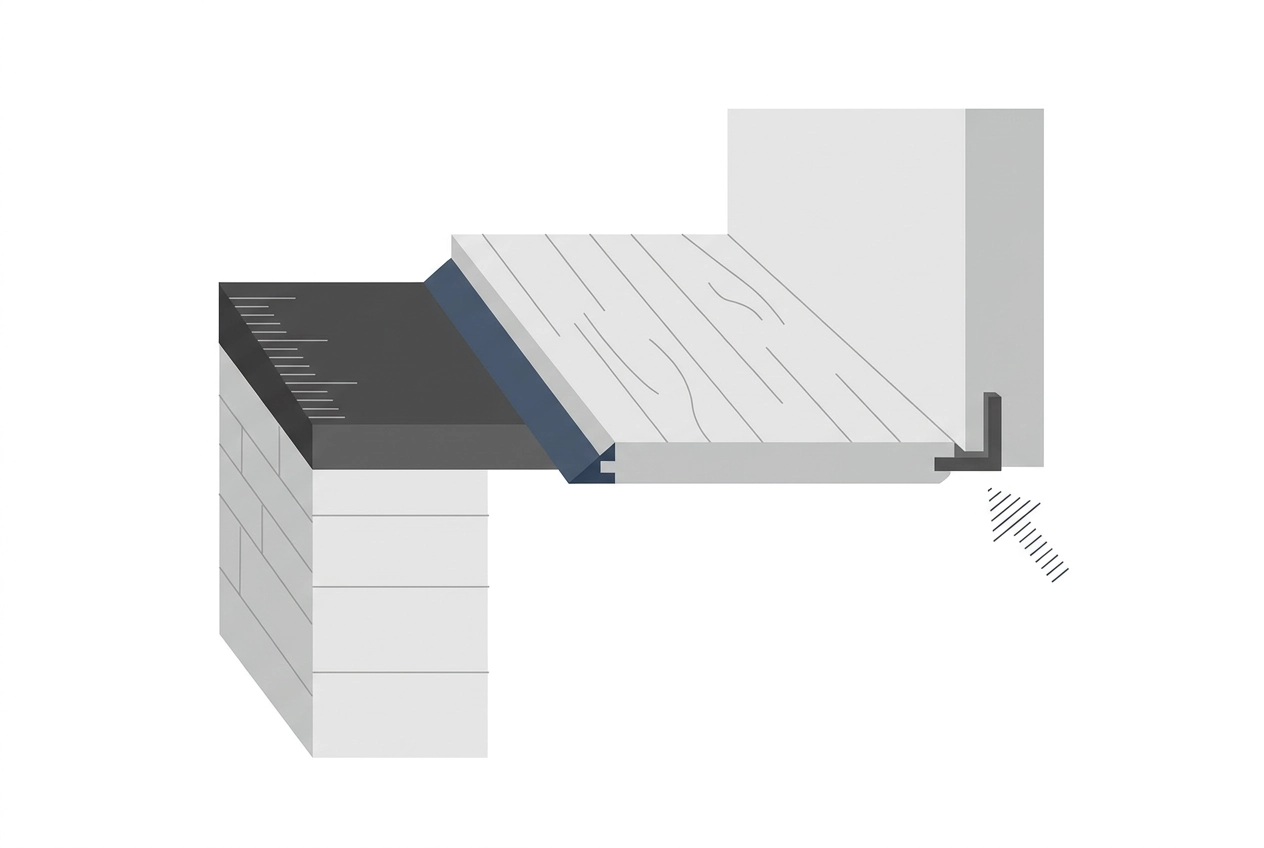
You have picked the flooring or carpet, maybe from a few different ranges and styles. Now for the part nobody puts on a mood board: underlay, scotia, beading, thresholds and door bars. It sounds like the boring end of the order, but this is where a floor is saved or wasted. Ask the fitters at 5th Avenue Floor Store, a family-run Dublin company with over 20 years of experience. In our fitters' experience, the same floor can feel hollow and squeaky, let draughts through, let water creep in at the edges, or wear out early if the accessories are wrong.
In this comparison guide, we will walk beginners through what each piece does. We will look at underlay for laminate flooring: what it is actually doing underfoot and how to match it to your subfloor. We will compare carpet underlay and vinyl, then explain scotia, beading, thresholds and door bars, and how to match trim to the room and the expansion gap. We will also cover where people waste money and what to ask before you order. No upsell. Just what our fitters would want you to know.
Accessories Are Part of the Floor, Not a Finishing Touch
Most people meet underlay, scotia, beading, thresholds and door bars at the till, as lines on a quote. We'd rather you met them as decisions. Choose them by asking what goes wrong without them, and five things our fitting team sees come up again and again: a hollow sound underfoot, squeaks and movement between boards, draughts at doorways, water creeping in at the edges, and wear showing up years before the floor should be worn.
Here's the part that matters. The same plank laid over the right underlay, in the right room, with the right trim, feels better underfoot and lasts longer than that same plank laid without them. That's where a flooring order is saved or wasted. Not in the boards.
This isn't a technical specification. It's what our fitting team sees on jobs every week across Dublin and the surrounding areas, built up over more than 20 years. Treat it as practical guidance from fitters, not a datasheet.
What this guide does is compare types of underlay and types of trim, and explain where each belongs. If you're weighing up a trickier room, when you must get professional advice before you buy is worth a read. What it won't do is quote thicknesses, expansion-gap dimensions or moisture readings. Those depend on your floor and subfloor, and they're a conversation, not a chart.
What Goes Wrong Without Them: Hollow Sound, Squeaks, Draughts and Early Wear
In our fitters' experience, here is what each one looks like on a job, and what is usually behind it.
Hollow sound. When nothing is doing the work between the boards and the subfloor, footsteps echo and the floor sounds thin, even when the board itself is a perfectly good one.
Squeaks and movement. An underlay that does not suit the subfloor leaves boards free to shift against each other. You hear it first as a squeak and notice it later as a wobble underfoot.
Draughts. Gaps left at a doorway or around a perimeter let cold air in. We hear this often in Dublin homes with suspended timber floors and older skirting, where a door bar is usually the real fix.
Water at the edges. Mop water, spillages and general damp creep in at the perimeter, causing damage out of sight long before anything shows on the surface of the floor.
Wear ahead of schedule. When the layer underneath is wrong for the room, joints and surface finish take stresses the floor was never meant to absorb, and it ages faster than the boards deserve.
Read the symptoms backwards and the diagnosis tends to follow: the wrong underlay type for the subfloor, a moisture consideration skipped, or trim that does not close the gap. That is why our fitters start with what is underneath the room, as we explain in The Subfloor: What Your Fitter Checks Before Anything Else.
Underlay for Laminate Flooring: What It Is Actually Doing Underfoot
So the culprit is usually the layer you never see.
Underlay for laminate flooring is the layer between the boards and the subfloor, doing three jobs at once: softening the walk, quietening the room and giving the boards a stable base.
Because laminate is a floating floor, not glued or nailed down, our fitters find that what sits underneath carries far more of the workload than it would under a fixed floor.
And laminate flooring underlay is not one product. Different types decide how the floor sounds underfoot and how solid it feels. Some give a firmer, more solid feel; others a softer, quieter one. Neither is automatically right.
Before blaming the boards, run the simple test: in our experience, if you can hear the floor through the room below, or it sounds hollow when you tap it, look at the underlay first. This is the part of the floor our fitters see skipped most often, and the one they least like to skip.
Which brings us to the framing that matters. This is a choice about your room and your floor, not about buying the thickest thing on the shelf. Thickness alone tells you very little. Match the type to what is underneath and the same plank can feel and perform better.
It is worth settling that early, since underlay, moisture and sub-floor considerations come up before the boards do.
Next, what actually changes that choice.
What Is the Best Underlay for Laminate Flooring? Match It to the Subfloor
So there is no single best laminate flooring underlay. The best underlay for laminate flooring is the one that matches the subfloor and the room it is going into.
Start with the base. Irish homes usually have a concrete slab or a suspended timber floor. On a concrete slab, our fitters find damp shapes the choice. On suspended timber, movement and drumming are the issues they look to solve. Irish building guidance treats a floating layer on a concrete base differently from one on a timber base, so the distinction is real.
Floor level matters too. A ground floor, an upper floor and a room over a garage or unheated space each change what the underlay has to do, especially for sound. Sound does not stay put; it travels through the structure.
Room by room, expectations shift. Hallways and kitchens take heavy traffic and more edge stress. Kitchens and bathrooms are where spillages and edge damp matter most. Bedrooms and living rooms are usually about comfort and quiet.
Get those three answers right and the correct underlay type follows. Get them wrong and it does not matter how much you spend on the boards. Talk to our fitters about the room and subfloor before you buy. If you are still choosing boards, our guide to what laminate flooring is and why it is still a smart choice is a good start.
Carpet Underlay and Vinyl: Different Floors, Different Jobs
The same matching logic carries over, but the job the underlay does changes with the floor above it.
Carpet underlay carries more of the work than most buyers expect. The carpet on top is thin, so how the floor feels underfoot, and how long it lasts, is largely decided by the layer beneath it. In our fitters' experience, a good carpet over the wrong underlay goes flat and tired years before its time, while the same carpet over the right one stays springy.
The rule itself stays constant across carpet, laminate, vinyl and herringbone. Match the underlay to the covering and to the subfloor underneath it.
Vinyl deserves its own look. It is a thinner floor, and our fitters find it far less forgiving of anything uneven or damp below, so what it sits on matters more than buyers expect. How vinyl compares to laminate and carpet is worth reading, but the short version is that vinyl rewards a properly prepared base.
In our experience, herringbone and other pattern-laid installations follow their own fixing method, and the accessories follow that method rather than dictating it.
That is why we choose underlay room by room and floor by floor across our carpet, laminate, vinyl and herringbone ranges, rather than picking one product for a whole house.
Scotia, Beading, Thresholds and Door Bars: Matching Trim to the Room
Underlay sorted, the trim is the next part of the order, and it does more for how a room looks than most people expect.
Scotia and beading are the same job in two profiles: both cover the gap where the floor meets the wall or skirting. You choose between them mainly on profile, and on what skirt is already in the room.
One rule governs every trim choice. The floor needs an expansion gap so it can move with humidity (WFA guidance notes wood shrinks and swells seasonally), and the trim hides that gap without filling it. In our fitters' experience, pinning a floor tight to the wall leads to squeaks, lifting or joints opening.
Thresholds and door bars have their own role. They bridge the join between two rooms or two floor types, and a doorway draught is usually solved at the threshold rather than by the flooring itself. If that doorway runs onto stairs, edge detailing matters just as much, as carpet and stair runner fitting shows.
Match trim to the room, not the price list. Check the existing skirting profile, whether the door still clears the new floor when it shuts, how much traffic the doorway takes, and whether the flooring changes at the threshold.
Wrong looks obvious: trim pinned tight to the wall, a door bar sized for the wrong floor height leaving a visible gap or a trip, a bead that does not match the skirting.
Colour and profile matching is part of the job, not a detail. Trim is what a visitor sees before they notice the floor.
Where People Waste Money on Underlay and Trims
So if trim is the part visitors notice, underlay is the part they never see, and that is where the quiet waste happens. The real question is not whether accessories are an upsell. It is whether the ones quoted are matched to this floor, this subfloor and this room.
Three common ways people waste money:
Paying more for thicker underlay when it does not suit the subfloor. The best underlay for laminate flooring matches what is underneath, not the highest price on the shelf.
Cutting the moisture consideration under a ground floor or concrete slab to save a small amount on the order. That saving often gets paid back later, at the edges.
Choosing trim purely on price and finding it does not cover the expansion gap, does not match the skirting, or does not sit flush at a doorway.
The money is genuinely well spent on the matching conversation before the order. That costs nothing and is exactly where our fitters spend their time with customers.
Accessories rarely dominate the overall order cost. They are also the difference between a floor that behaves for years and one that disappoints within months. You can see the options in our More Accessories range, or simply ask us before you order.
Before You Order: Ask About the Room and the Subfloor, Not the Upsell
The rule is simple: every accessory in the order should be preventing one of those failure modes, hollow sound, squeaks, draughts, edge water or early wear.
Match the underlay to the floor type and the subfloor. Match scotia, beading, thresholds and door bars to the room and to the expansion gap the floor needs.
Those three questions, what is underneath, what is on top, ground floor or upper floor, still do the work here.
Get those answers right and the correct accessory type follows almost on its own. Get them wrong and no board is expensive enough to rescue the job.
That is why the conversation belongs before you order, not after. Matching costs nothing. The wrong accessories cost the floor.
We are a family run flooring company supplying and fitting carpet, laminate, vinyl and herringbone across Dublin and the surrounding areas. Our craftsmen, with over 20 years of experience, will talk you through the room and the subfloor first, then the floor. When you are ready, get in touch about your flooring project and we will start with those three questions.
Conclusion
Underlay, beading and trims are not finishing touches. They are part of the floor, preventing hollow sound, squeaks, draughts, edge water and early wear.
Get the matching right, floor type, subfloor, room position, and the accessories follow.
Explore our More Accessories range or get in touch. Choose accessories by what they prevent, and your floor will reward you for years.