
Lino Flooring Explained: Which Type Is Right for Your Home?
Confused by lino flooring options? Compare linoleum, sheet vinyl and LVT, get Dublin pricing, room guides and expert fitting advice from 5th Avenue Floor Store.
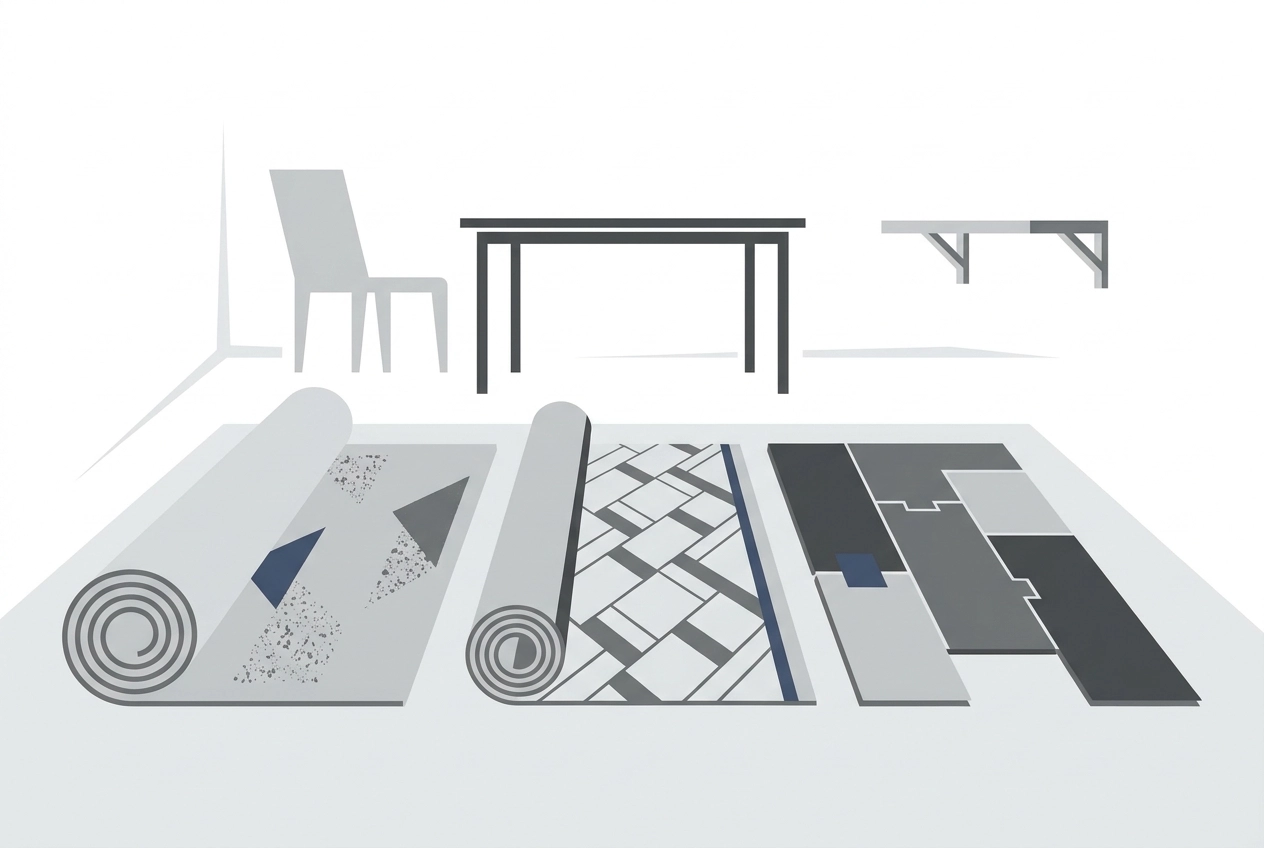
If you've ever stood in a flooring showroom feeling completely overwhelmed, you're definitely not alone. With so many options staring back at you, it's hard to know where to even start. That's exactly why so many homeowners are taking a second look at lino flooring, a budget-friendly, versatile, and surprisingly stylish choice that works in almost any room of the house.
But here's the thing: "lino" isn't just one product. It actually covers several different types of flooring, each with its own benefits, drawbacks, and ideal uses. What works perfectly in a busy kitchen might not be the best fit for a cozy bedroom, and understanding those differences can save you a lot of time, money, and regret down the road.
In this post, we're going to break down the most common types of lino flooring in plain, simple terms. No confusing jargon, no overwhelming technical details. Just honest, straightforward comparisons to help you figure out which option suits your home, your lifestyle, and your budget best. Let's dive in!
What People Actually Mean When They Say Lino
If you've ever walked into a flooring showroom and asked for "lino," you're in good company. In Ireland, the word gets used loosely to describe just about any smooth, wipe-clean floor covering, but it can actually refer to three quite different products: true linoleum, sheet vinyl, and luxury vinyl tile (LVT). Each one has a different makeup, a different price point, and performs differently depending on where you lay it. Knowing which one you actually want before you buy will save you a lot of time and, potentially, a costly mistake after fitting.
True linoleum is the original. It has been manufactured since the 1860s and is made entirely from natural materials, including linseed oil, wood flour, and a jute backing. It is not a plastic product at all, which surprises a lot of people. Sheet vinyl and LVT, on the other hand, are petroleum-based synthetic products that came along later and gradually took over the mass market. As vinyl sheet flooring occupied the same shelf space and looked similar in roll form, the old household name "lino" simply transferred across in everyday speech. A handy breakdown of how these vinyl product types differ from each other shows just how much the category has evolved.
This guide walks through all three product families in plain, straightforward language, with practical context on pricing, room suitability, and fitting considerations relevant to Dublin homes.
True Linoleum vs. Sheet Vinyl vs. LVT: The Real Differences
So now that we've established why the word "lino" means different things to different people, let's break down exactly what separates these three products. They share a similar job description, but under the surface they are quite different animals.
What Each Product Is Actually Made Of
True linoleum is a genuinely natural product. It is made from linseed oil (pressed from flax seeds), cork dust, wood flour, limestone, and natural pigments, all bonded together and pressed onto a jute or polyester backing. The colour and pattern run through the full thickness of the material, so there is no printed image layer that can wear away over time. It is 100% biodegradable, produces low VOCs, and for anyone thinking about the environmental footprint of their home, it is hard to beat. This is the original "lino" that gave the category its name.
Sheet vinyl is a completely different product. It is a synthetic, multi-layer material built around a PVC core. Above that sits a photographic design layer, and on top of that a protective urethane wear layer. It comes in rolls, covers a floor seamlessly, and is fully waterproof straight out of the box with zero additional treatment required. It is typically the most affordable of the three, which makes it a popular starting point for kitchens, bathrooms, and utility rooms.
LVT, or Luxury Vinyl Tile, shares sheet vinyl's PVC construction but is engineered into rigid or semi-rigid planks and tiles. The design layer can replicate wood grain, stone, and ceramic tile with impressive realism. Rigid-core LVT is forecast to account for 58.6% of the entire LVT segment in 2026, which tells you a lot about where consumer preference is heading. Its dimensional stability means it handles underfloor heating and real-world temperature changes better than older flexible vinyl formats. You can read more about the difference between lino and luxury vinyl flooring if you want a deeper dive into LVT's construction.
How Long Will Each One Last?
This is where the differences become very practical. True linoleum, when properly sealed and maintained, can last anywhere from 25 to 40 years. That is a genuinely impressive lifespan that rivals hardwood. Sheet vinyl is more modest; expect 10 to 20 years depending on the thickness of the wear layer. LVT sits in the middle ground; a product with a 0.5mm or thicker wear layer will typically deliver 15 to 25 years of residential performance.
What About Cost and Design?
Sheet vinyl is your most affordable entry point. True linoleum sits in the mid-to-premium price bracket, reflecting its natural composition and longevity. LVT spans the widest range, from competitive mid-market options up to premium formats with thicker wear layers and enhanced rigid cores.
On the design front, the idea that these floors look dated is simply a myth based on products from 20 or 30 years ago. Today's vinyl and lino ranges replicate oak plank, slate, marble, and patterned tile with a level of realism that would genuinely surprise most people walking in expecting something clinical and old-fashioned. All three product types now offer visuals that sit comfortably alongside premium hard flooring.
Sustainability: Why Natural Linoleum Is Having a Comeback
Once you understand what natural linoleum is actually made from, its environmental credentials become genuinely impressive. Unlike vinyl, which is derived from petroleum, true linoleum is composed entirely of rapidly renewable raw materials: linseed oil pressed from flax plants, wood flour, cork dust, and a natural jute backing. Every ingredient in that list is biodegradable, and many are actively carbon-absorbing during their growth phase. In fact, leading manufacturers confirm that the plant materials used in linoleum absorb more CO₂ during photosynthesis than is emitted during the entire transport and production process, making it effectively climate positive before it even reaches your floor.
A Market Telling Its Own Story
The numbers behind linoleum's revival are hard to ignore. The global linoleum flooring market was valued at USD 4.8 billion in 2025 and is forecast to reach USD 7.6 billion by 2034, growing at a CAGR of 5.3%. Sustainability-driven demand is cited as a primary growth driver alongside renovation activity, which will resonate with anyone who has recently upgraded their home. Europe is leading this shift, accounting for 34.6% of global linoleum revenue in 2025, and Ireland sits squarely within that trend. If you want a broader picture of where eco-conscious flooring is heading, the eco-flooring market research from Market Research Future paints a compelling picture of sustained, long-term growth across all natural flooring materials.
Built-In Hygiene Benefits
Here is a detail that surprises a lot of people: linoleum is naturally antibacterial and anti-static, thanks to its linseed oil content. This is not a coating that wears away over time; it is intrinsic to the material itself. Those properties are precisely why linoleum became the standard choice for hospitals, schools, and care facilities for well over a century. For Dublin homeowners, this translates into practical everyday benefits, particularly in kitchens and bathrooms where hygiene really matters.
The Logical Next Step for Greener Homes
If you have already invested in home insulation, new windows, or a heat pump upgrade, specifying natural linoleum flooring is a genuinely consistent next step. It is not a compromise product; it is a considered, credible choice that aligns with a whole-home approach to sustainability. At 5th Avenue Flooring, our team works with Dublin homeowners every day who are making exactly these kinds of joined-up decisions, and we are always happy to walk you through the options that fit both your values and your budget.
Room-by-Room Guide: Best Lino and Vinyl Options for Irish Homes
Not all rooms are created equal when it comes to flooring, and choosing the right lino or vinyl product for each space can mean the difference between a floor that lasts a decade and one that needs replacing after two years. Here is a straightforward room-by-room breakdown to help you make the right call for your home.
Kitchen
The kitchen is the most popular room for lino-style flooring, and for good reason. Both sheet vinyl and LVT handle spills, splashes, and heavy cleaning routines without complaint, thanks to their waterproof wear layers. True linoleum is also a solid kitchen choice, but it does come with one important caveat: the surface seal must be fully intact at all times. If the seal is damaged or worn in spots, moisture can creep in from below, which is a real concern in older Dublin properties where subfloor dampness is surprisingly common. If you live in a period home and you are considering natural linoleum for the kitchen, make sure your installer checks the subfloor condition first.
Bathroom
In the bathroom, you want to keep things simple and safe: fully waterproof sheet vinyl or rigid-core LVT is the go-to recommendation. Both products will shrug off the humidity, condensation, and occasional pooling water that bathrooms throw at them. True linoleum can technically go into a bathroom, but it is best kept away from wet-room areas or around freestanding baths where standing water sits for any length of time. For most Dublin bathrooms, a good-quality sheet vinyl or a rigid LVT tile gives you peace of mind without compromise.
Hallway
Hallways take a serious beating. Buggies, boots caked in mud, school bags dragged across the floor, and hundreds of footsteps a day all add up quickly. This is where wear layer thickness really matters. A budget sheet vinyl with a wear layer of only 0.1mm to 0.2mm will show scuffs and wear within a year in a busy hallway. Opt for an LVT or commercial-grade sheet vinyl with a wear layer of 0.5mm or above, and you will have a floor that holds up properly. Spending a little more upfront on wear layer thickness in the hallway is one of the best value decisions you can make.
Utility Room
Sheet vinyl is the undisputed workhorse of the utility room. Its seamless, glued-down installation means there are no joins for water or detergent to seep into, which matters enormously in a room housing a washing machine and possibly a dishwasher. If an appliance does spring a leak, sheet vinyl is also straightforward and relatively inexpensive to replace compared to other flooring types.
Living and Dining Areas
Open-plan living and dining spaces are where LVT really comes into its own. Plank-format LVT and herringbone LVT both deliver the warm, natural look of timber without the ongoing maintenance that real wood demands. Our range at 5th Avenue includes LVT designs that suit everything from sleek modern interiors to the more traditional character of period Dublin homes.
A Note on Older Dublin Housing Stock
One point that applies to every room on this list: subfloor preparation is non-negotiable, particularly in Victorian terraces, Edwardian semis, and the 1950s to 1970s builds that make up a huge portion of Dublin's housing stock. Uneven concrete subfloors and suspended timber floors need to be levelled and properly prepared before any lino or vinyl product goes down. Skipping this step is, without question, the most common cause of premature flooring failure, and it is something our team assesses on every single job before a single plank or sheet is laid.
What Does Lino Flooring Cost in Dublin?
Pricing is probably the first practical question on your mind, and the honest answer is that it depends on more variables than most online guides let on. That said, it helps to understand roughly where each product sits in the pricing hierarchy before you start budgeting.
Sheet Vinyl: The Affordable Starting Point
Sheet vinyl is generally the most accessible entry point when it comes to lino-type flooring. Supply costs vary by product quality, and once you add professional fitting, subfloor work, and any preparation needed, the total for a standard kitchen or bathroom can range quite broadly. The problem with per-square-metre averages you find online is that they rarely reflect your actual room. A straightforward, level subfloor in a small kitchen is a very different job to a larger space with an uneven concrete base or existing tiles to remove. As noted in Ireland's 2026 flooring installation labour price breakdown, generic averages are genuinely not very useful when you are trying to budget a real project. Getting a measured quote is the only way to remove the guesswork entirely.
True Linoleum vs. Budget Sheet Vinyl: Thinking in Cost Per Year
Marmoleum by Forbo and similar natural linoleum products sit at a higher supply price than entry-level sheet vinyl, and that upfront difference can feel significant. But here is the comparison that changes the conversation: quality linoleum carries a realistic service life of 25 to 40 years, while a budget sheet vinyl may need replacing within 10 years. When you divide the total cost by years of use, the natural linoleum option frequently wins on value, even before you factor in its environmental credentials. For Dublin homeowners thinking long-term, this is a more useful frame than sticker price alone.
LVT: Where Wear Layer Determines Value
LVT pricing in the Irish market starts around €28 per square metre for entry-level click-lock planks with integrated underlay, rising from there for upgraded specifications. The single most important variable is the wear layer. Rigid-core LVT with a 0.55mm wear layer costs more than a thin-wear entry-level product, but in a busy household with children, pets, or heavy footfall, that premium is justified by a considerably longer service life and far greater resistance to dents and scratches.
The Hidden Cost: Subfloor Preparation
This is the line item that catches most people off guard. Levelling compound, a damp proof membrane, or the removal of existing flooring can add meaningfully to your total project cost, and none of these tend to appear in the per-square-metre figures you see advertised online. A professional fitter needs to physically assess your subfloor before any reliable figure can be given, because no two floors are the same.
At 5th Avenue Floor Store, we provide measured, site-specific quotes across Dublin and all surrounding areas. Our team will assess your room, your subfloor, and your requirements before giving you a figure that actually reflects your project rather than a national average that has little bearing on your specific home. Arranging a consultation is simply the most reliable way to budget accurately.
Professional Fitting vs. DIY: What Works in Older Dublin Properties
Click-lock LVT is genuinely one of the more beginner-friendly flooring formats on the market right now, and the manufacturers aren't wrong to market it that way. On a flat, dry, well-prepared subfloor, a competent DIYer can absolutely lay a floating LVT floor over a weekend and get a result they're proud of. The problem isn't the product itself. The problem is that "flat, dry, and well-prepared" describes very few subfloors in Dublin's older housing stock, and most homeowners only discover this after the floor is already down.
The Suspended Timber Problem
If your Dublin home was built before 1980, there's a reasonable chance you're living above a suspended timber floor rather than a solid concrete slab. These floors are built to flex, and they do exactly that, expanding and contracting with seasonal humidity changes throughout the year. When you glue sheet vinyl directly to a timber subfloor that moves, or float LVT without accounting for that movement, you're creating the conditions for bubbling, lifting, and visible seams. Most of the time, this doesn't show up immediately. It tends to appear somewhere between 12 and 18 months after installation, once the floor has been through a full seasonal cycle, which is a deeply frustrating timeline for anyone who thought the job was done.
Moisture: The Hidden Risk Under Concrete Floors
Older concrete subfloors in Dublin present a different challenge entirely. Ground-floor slabs in homes built before modern damp-proof membranes became standard practice frequently carry moisture levels well above what vinyl or lino products can tolerate. Laying any sheet or tile product directly onto a damp slab without a proper damp-proof membrane (DPM) will eventually result in adhesive failure, or worse, mould growth trapped underneath the floor where you can't see it. Standard manufacturer guidance typically requires subfloor moisture content to sit below around 75% relative humidity before installation begins. Testing for this isn't something you can do by feel or by eye; it requires a calibrated moisture meter.
What Professional Fitters Actually Do Before Laying Anything
This is the part of a professional installation that homeowners rarely see, but it's where the real expertise lives. Before a single plank or sheet goes down, experienced fitters assess the subfloor using moisture meters and floor-levelling lasers to identify dips, high spots, and any areas of concern. The levelling and preparation stage can sometimes take longer than the installation itself, particularly in older properties. That diagnostic work is the difference between a floor that performs well for 20 years and one that starts failing in five.
Our fitting team at 5th Avenue has spent over 20 years working across Dublin properties of every age and type, from new-build apartments in the Docklands to Victorian terraces in Ranelagh, and that accumulated subfloor knowledge informs every single job we take on. No two older Dublin properties are quite the same, and experience genuinely matters here.
If You're Set on DIY
If you're committed to laying your own floor, the best thing you can do is invest serious time and money in preparation before you even open the flooring packaging. Buy or borrow a moisture meter, test the subfloor in multiple spots, and address any readings that exceed the product manufacturer's threshold before proceeding. Allow your flooring to acclimatise in the room for the manufacturer's recommended period, typically 24 to 48 hours for most LVT products, so it adjusts to the ambient temperature and humidity. Use a self-levelling compound to address any uneven areas rather than hoping the floor will settle over them. The preparation products cost a fraction of what a second installation will cost if the first one fails.
For anyone unsure about their subfloor conditions, getting a professional assessment before committing to a DIY install is always a worthwhile step.
How to Clean and Maintain Lino Flooring
The good news is that lino flooring, in all its forms, is genuinely one of the easier floor types to keep looking well. A consistent, simple routine is all it takes to protect your investment for years.
Daily and Weekly Cleaning
Start with the basics: dry sweep or vacuum before you do anything else. Grit and fine debris caught underfoot act like sandpaper against the surface of your floor, and this is the single biggest cause of cosmetic scratching over time. A soft-bristle broom or a vacuum on a hard-floor setting works perfectly. In busier areas like hallways and kitchens, a quick daily sweep makes a real difference.
For wet cleaning, a damp mop with a pH-neutral cleaner is the right approach for both sheet vinyl and LVT. Wring the mop out well so you're cleaning with a damp head rather than a soaking one. One product type to avoid entirely is a steam mop. The sustained heat and moisture from steam can cause floating vinyl planks to expand and lift at the joints, which is a much bigger headache than a dirty floor. For reliable guidance on vinyl care routines, Armstrong Flooring's maintenance recommendations and Shaw Floors' vinyl care guide both outline daily and periodic regimes worth bookmarking.
Caring for True Linoleum
True linoleum needs one extra step that vinyl does not. Periodically applying a linoleum-specific emulsion polish helps maintain the surface sheen and protects against staining. This matters because linoleum develops a natural oxidation layer that gives it its resilience, and the wrong products will strip that away. Avoid solvent-based cleaners, bleach, and abrasive pads on any lino-type product. Vinegar, despite being a popular DIY recommendation, is also one to skip; it degrades the wear layer over time.
Protecting the Surface Day to Day
Two preventive steps that cost very little but extend the life of your floor considerably: place felt pads under all furniture legs, and use an entrance mat at external doors. Make sure any mat you choose has a non-rubber backing, as rubber can cause permanent discolouration on vinyl surfaces.
Finally, if you notice scratches, chips, or edges starting to lift, call in a professional fitter rather than reaching for household adhesive. A small, tidy repair done correctly costs far less than a full replacement further down the line.
Lino and Vinyl Ranges and Styles: What Is Available Today
One of the most common questions people have when starting a flooring project is simply: what's actually out there? The good news is that the range available today is broader and better-looking than most people expect, so let's walk through the main formats side by side.
Sheet vinyl is the practical workhorse of the category and remains a go-to choice for Irish kitchens, utility rooms, and bathrooms. It comes in roll widths of 2m, 3m, and 4m, which means most standard rooms can be covered in a single piece with no joins running across the floor. That matters more than it sounds, because fewer joins means less opportunity for moisture to work its way underneath. Design-wise, sheet vinyl has come a long way. Current ranges include stone-effect tiles, parquet-look prints, concrete-inspired finishes, and bold block colours, so there is genuine choice whether you are going for a clean modern look or something with a bit more warmth.
True linoleum, such as Marmoleum by Forbo, sits in a category of its own when it comes to design flexibility. The colour range runs to hundreds of shades, and the marbled and jaspe patterning options mean no two floors need to look the same. It works just as well in a family kitchen as it does in a commercial space, which is part of why it is experiencing such a strong revival right now among homeowners who want something distinctive and responsibly made.
LVT in plank format is where things get genuinely impressive for anyone who loves the look of timber. Premium planks replicate oak, walnut, and ash with a technology called registered emboss, which aligns the surface texture to the printed grain so the floor feels like wood underfoot, not just printed paper under a layer of plastic. As noted in recent luxury vinyl flooring market research, LVT is no longer considered a budget alternative; it has become a design-led product in its own right.
Herringbone LVT deserves a special mention because it has become one of the most requested formats we see for Dublin hallways and open-plan kitchens. It brings a period character that suits older properties beautifully, while still delivering all the practical benefits of vinyl, including waterproofing and compatibility with underfloor heating. According to current vinyl flooring trend reports, herringbone is firmly among the top format trends heading into 2026.
Tile-format LVT rounds out the picture for anyone drawn to the look of slate, travertine, or large-format porcelain. It replicates those aesthetics convincingly, complete with grout-line detail, but without the cold, unforgiving feel underfoot that real stone delivers. It also costs considerably less to install than ceramic or natural stone, making it a smart choice for large open areas.
At 5th Avenue Floor Store, our vinyl and lino range is curated specifically to balance style with the demands of everyday Irish family life. Our team can sit down with you, look at your existing cabinetry, wall tones, and the character of your home, and help you find a floor that ties it all together properly.
Why Dublin Homeowners Choose 5th Avenue Floor Store
If you've worked your way through this guide, you now have a solid understanding of what lino flooring actually is, what it costs, and what suits different rooms. The next question most Dublin homeowners ask is a practical one: who do I actually trust to get this right?
5th Avenue Floor Store is a family-run business based in Dublin, and that local grounding genuinely matters when it comes to flooring. The team understands Dublin's housing stock in a way that a national chain simply can't replicate. They know the difference between fitting into a 1960s semi-detached in Clontarf and a new build in Adamstown, and they know how Dublin subfloors behave, including the solid concrete bases common in older Irish homes that need careful preparation before any sheet vinyl or LVT goes down.
The craftsmen at 5th Avenue bring over 20 years of professional fitting experience to every job. That experience spans sheet vinyl, natural linoleum, and luxury vinyl tile across every property type in the Dublin area. Period homes with uneven subfloors, modern apartments with tight tolerances, and everything in between. That depth of hands-on knowledge is something you simply can't shortcut.
The product range is curated with the same practicality in mind. Every floor in the collection has been chosen because it performs well over years of real use, not just because it looks good on a showroom shelf. When the 5th Avenue team recommends a product, it's advice from people who have fitted it, seen how it wears, and understand which options hold up best in kitchens, hallways, and busy family homes.
The entire process is handled end to end: site survey, subfloor assessment, product selection, professional installation, and aftercare guidance all in one place. That removes the risk and hassle of sourcing and fitting separately.
The simplest next step is to get in touch and arrange a consultation. You'll get an accurate quote and a recommendation built around your specific room, subfloor, and budget.
Choosing the Right Lino Flooring: Key Takeaways
By this point in the guide, you have everything you need to make a confident decision. The single most important first step is knowing which product you actually need. True linoleum, sheet vinyl, and LVT are not interchangeable; each suits different rooms, different budgets, and different performance requirements. Getting that clarity before you spend a penny will save you frustration down the line.
Subfloor preparation is not optional, particularly in older Dublin properties where uneven concrete and hidden moisture are common. These two issues are responsible for the vast majority of lino and vinyl floor failures, and no amount of quality product will compensate for a poor base.
Think in terms of lifetime cost rather than supply price alone. A premium LVT or natural linoleum with a robust wear layer will typically cost far less per year of use than a budget sheet vinyl that needs replacing within a few years.
Professional fitting removes the most common points of failure from the equation entirely. With over 20 years of experience fitting floors across Dublin and the surrounding areas, the team at 5th Avenue Floor Store handles everything from subfloor assessment to the finished result.
Get in touch with 5th Avenue Floor Store to arrange a no-obligation site visit and honest, straightforward quote tailored to your home and budget.
Conclusion
Choosing the right lino flooring does not have to be complicated. Here are the key things to remember: not all lino is the same, so matching the product to the room matters. Your budget, lifestyle, and how much foot traffic a space gets should all shape your final decision. And quality installation, whether DIY or professional, will always extend the life of your floor.
Now that you have a clearer picture of your options, the next step is simple. Grab some samples, visit a local showroom, or explore trusted retailers online to see and feel the difference for yourself. Comparing textures and finishes in your actual space makes a huge difference.
The right floor is out there waiting for you. With the right knowledge in hand, you are already one step closer to a home you love walking through every single day.