Herringbone Flooring: The Complete Guide for Dublin Homes
Discover herringbone flooring styles, materials, room suitability, and costs for Dublin homes. Expert guide from 5th Avenue Floor Store.
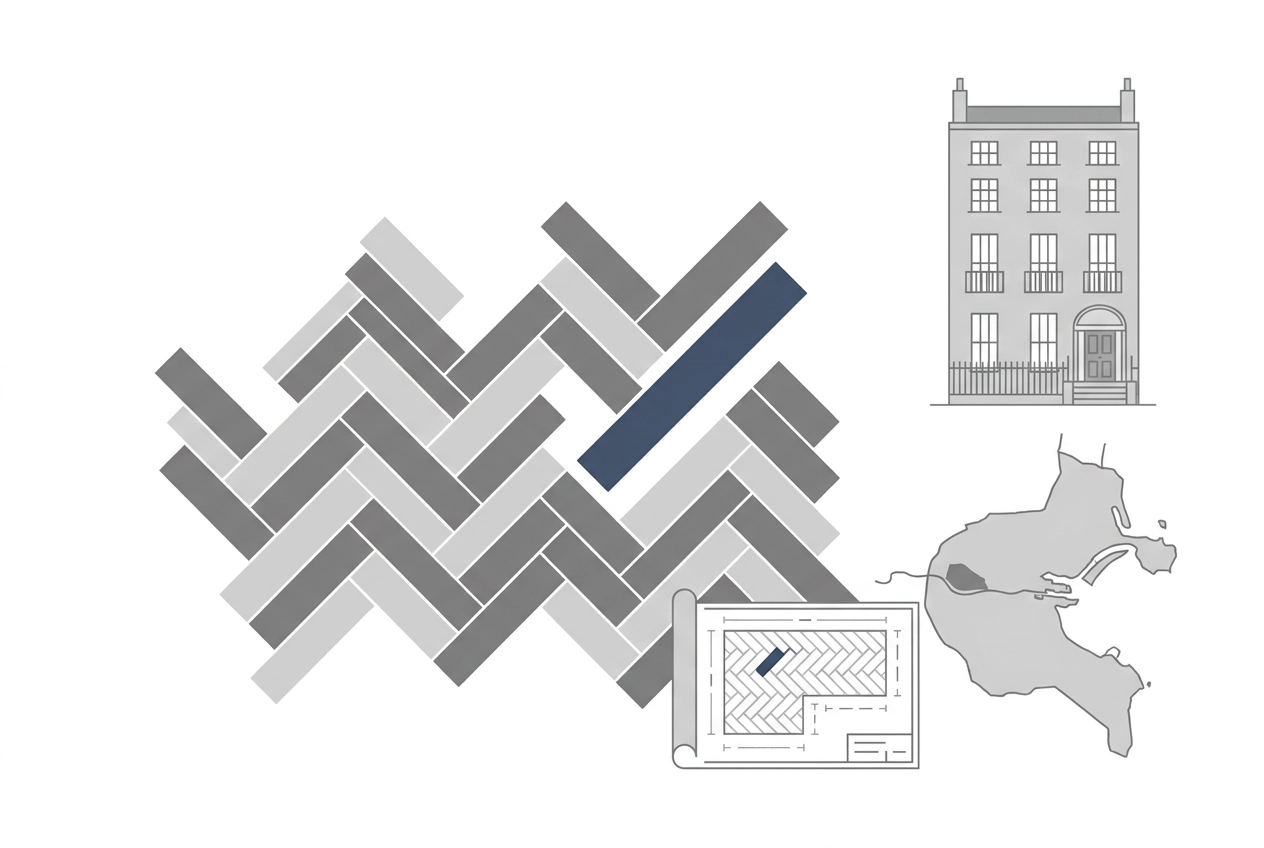
There is something undeniably timeless about walking into a Dublin home and seeing a beautifully laid herringbone floor stretching across the room. That distinctive zigzag pattern has graced the floors of elegant homes for centuries, and today it remains one of the most sought-after flooring choices for homeowners across Ireland.
If you have been considering herringbone flooring for your home but feel overwhelmed by the options, costs, and installation questions, you are in exactly the right place. This guide has been designed specifically for beginners who want clear, reliable information without the confusing technical jargon.
From choosing the right material to understanding what installation actually involves, we will walk you through everything you need to know before making this important decision. You will discover the different types of herringbone flooring available, how to budget realistically for a Dublin home, and the key questions to ask any flooring contractor. By the time you finish reading, you will feel confident and well-prepared to take the next step toward transforming your living space with this stunning classic pattern.
What Is Herringbone Flooring?
Herringbone flooring is created by laying rectangular planks at 90-degree angles to one another in a repeating V-shaped or zigzag configuration. Unlike straight-lay flooring, where every plank runs parallel in a single direction, herringbone produces an interlocking, directional pattern that immediately gives a floor strong visual character. It belongs to the broader parquet family, which, as interior designer Fabiana Dias explains, is "not a single pattern, but a family of geometric wood-floor arrangements" whose names reference their geometry, composition, or historical origins. Herringbone is among the most recognisable of these arrangements, and it is worth noting that it differs from chevron flooring; in herringbone, plank ends meet at a straight line, while chevron planks are cut at an angle to form a sharp point. This distinction matters when choosing your pattern, as each produces a subtly different visual rhythm.
The pattern has a surprisingly long history. Its geometry was first used in Roman road construction, where the interlocking angle of stones improved structural stability underfoot. It was later refined as a decorative treatment, becoming a defining feature of European parquet floors throughout the 17th and 18th centuries, most famously in French palace interiors. According to Just Wood's 2026 trend analysis, herringbone has experienced a cyclical return as a premium residential choice, consistently re-emerging whenever tastes shift back toward crafted, character-rich interiors.
One of herringbone's most practical strengths is its ability to alter the perceived dimensions of a room. The directional zigzag, depending on orientation, can make a narrow hallway feel wider or a compact living area feel longer. Straight-lay floors simply cannot replicate this spatial effect.
Plank width also shapes the entire character of the floor. Traditional narrow-plank herringbone, typically 60 to 70mm wide, produces a tight, intricate pattern suited to formal or period-style rooms. Modern wide-plank herringbone, at 100mm and above, creates a bolder, more open geometry that works beautifully in contemporary open-plan living spaces.
In 2026, herringbone is firmly confirmed as the dominant decorative flooring pattern across both global and Irish markets. As Ropposchs Brothers' 2026 flooring trend guide highlights, pattern and texture are now key differentiators in flooring decisions, with homeowners actively seeking floors that add personality and visual depth. Crucially, Irish clients are moving away from the cool grey tones that defined interiors between 2018 and 2023, turning instead toward warm honey, walnut, and mid-oak finishes, all of which suit herringbone's geometry perfectly.
Herringbone vs. Chevron: Which Pattern Is Right for You?
Both herringbone and chevron belong to the parquet family, and at a glance they can look deceptively similar. Understanding the difference between them will help you make a confident decision before committing to either pattern for your home.
The Structural Difference
The distinction starts at the plank level. Herringbone planks are cut square at both ends and laid so that the end of one plank meets the side of the next, interlocking at a precise 90-degree angle. Chevron planks, by contrast, are cut at a mitre angle, typically 45 degrees, so that when the planks meet, their angled ends align to form a clean, continuous V-point. This is a manufacturing difference, not just a visual one. As noted in this detailed comparison of chevron and herringbone flooring, the angled cuts on chevron boards are a deliberate production step, which has direct consequences for cost and installation complexity.
Visual Outcome
Because herringbone plank ends are visible within the pattern, the finished floor reads as busier and more textured. This gives it a characterful, period-appropriate quality that suits traditional interiors particularly well. Chevron, with its unbroken arrowhead shape, produces a strong directional line that draws the eye through a room. The result is sleeker and more formal, lending spaces a clean, architectural edge. Neither is objectively superior; they simply serve different design intentions.
Room Suitability
Herringbone works exceptionally well in hallways, kitchens, and period-style rooms, where its intricate texture adds energy and visual interest. Chevron suits larger, more formal spaces such as living rooms and master bedrooms, where its clean geometry can be appreciated across an open floor plane without feeling cluttered.
Cost, Waste, and Availability
Chevron requires those angled cuts at every plank end, and the trimmed triangular sections become off-cut waste. This is one of the primary reasons chevron typically costs more per square metre to supply and fit than herringbone. For a practical breakdown of how the two patterns compare on cost and complexity, the consensus across flooring specialists is consistent: chevron demands a higher level of installation skill and generates more material waste, both of which push the overall price upward.
Herringbone also has a clear advantage in product availability. Across laminate, engineered wood, and luxury vinyl tile formats, herringbone is stocked more broadly and at more accessible price points. Chevron tends to be concentrated in engineered wood ranges at the higher end of the budget. For homeowners new to patterned flooring, herringbone offers a wider choice of materials and a more flexible entry point, making it the practical starting position for most Dublin homes.
Herringbone Flooring Materials: Engineered Wood, Laminate, and LVT Compared
Choosing the right material for your herringbone floor is one of the most important decisions you will make during any renovation or new build project. Each of the three main options, engineered wood, laminate, and LVT, delivers the herringbone pattern with a distinct set of practical benefits, price points, and room suitability profiles. Here is how they compare.
1. Engineered Wood Herringbone: Authentic Character With Lasting Value
Engineered wood herringbone consists of a genuine hardwood veneer bonded over a stable multi-ply timber core. The result is a floor that looks and feels like solid wood but resists the expansion and contraction that affects solid planks in Ireland's variable, damp climate. Because the multi-ply core offers dimensional stability, engineered wood is compatible with underfloor heating systems, which are increasingly common in Dublin homes, particularly in retrofitted older properties. According to a 2025 flooring guide from Wood and Beyond, over 60% of current UK underfloor heating installations are low-profile retrofits designed for existing homes, a trend mirrored across the Irish market. Engineered wood sits at a higher price tier than the alternatives, but its lifespan of several decades and the ability to sand and refinish the surface at least once makes it a strong long-term investment. It is the preferred choice for living rooms, open-plan kitchen-diners, and ground-floor extensions where a premium, natural aesthetic is the priority.
2. Laminate Herringbone: Budget-Friendly and Highly Durable
Laminate herringbone uses a high-resolution photographic wood-effect layer fused over a high-density fibreboard (HDF) core, topped with a hard wear layer that resists scratching and scuffing. Modern laminate floors have improved significantly in realism, and the herringbone format suits them well in areas with moderate foot traffic. The surface is highly durable and easy to maintain, making it a practical option for hallways, home offices, and bedrooms. The critical limitation is moisture; laminate is not suitable for bathrooms, utility rooms, or any space where water exposure is likely, as the HDF core can swell when wet. For Dublin homeowners working within a tighter budget who still want the visual impact of the herringbone pattern, laminate offers excellent value without sacrificing durability in the right setting.
3. LVT Herringbone: Waterproof, Versatile, and Fast-Growing
Luxury Vinyl Tile herringbone is the fastest-growing material category in the flooring sector globally. LVT is 100% waterproof, making it suitable for kitchens, bathrooms, hallways, and utility spaces where other herringbone materials cannot perform reliably. Click-lock LVT planks in herringbone format are quicker to install than engineered wood, and advances in matte wood-effect printing have made modern LVT visually convincing. LVT is also compatible with underfloor heating systems when surface temperatures are kept within the manufacturer's recommended range, making it a genuinely flexible option across most rooms in a Dublin home. It sits between laminate and engineered wood on price, offering a strong middle-ground for homeowners building new extensions or renovating older properties where moisture management is a concern.
At a Glance: Which Material Suits You?
Factor | Engineered Wood | Laminate | LVT |
|---|---|---|---|
Water Resistance | Moderate | Low | High (100% waterproof) |
UFH Compatible | Yes | Limited | Yes |
Realistic Appearance | Excellent | Good | Very Good |
Durability | High | High | High |
Approximate Cost | Higher | Lower | Mid-range |
For Dublin homeowners renovating a Georgian terrace or 1970s semi-detached, engineered wood delivers authenticity and UFH compatibility. Those fitting out a home office or bedroom on a budget will find laminate a practical, attractive solution. Homeowners prioritising waterproofing throughout, or working through a full new-build extension, will find LVT the most versatile and lowest-maintenance of the three options available.
Is Herringbone Flooring Suitable for Irish Homes?
Ireland's damp, variable climate makes flooring selection far more consequential here than in drier parts of Europe. With Dublin's average relative humidity regularly sitting between 75% and 82%, the wrong flooring choice can lead to swelling, warping, and costly repairs within a matter of months. The good news is that herringbone flooring is absolutely suitable for Irish homes — but the material you choose matters enormously.
Solid Wood: Beautiful but Vulnerable to Irish Conditions
Solid wood herringbone is undeniably stunning, but it carries real risk in the Irish climate. Solid timber is a hygroscopic material, meaning it absorbs and releases moisture in response to changes in humidity. In older Dublin properties, particularly Victorian and Edwardian terraces where damp-proofing is limited or absent, solid wood planks can swell during wet months and contract during drier periods. Over time, this repeated movement causes cupping, gapping, and surface warping. Without rigorous subfloor preparation and a well-controlled internal environment, solid herringbone is a high-risk choice for most Irish residential settings.
Engineered Wood: The Smart Natural Option for Irish Homes
Engineered wood herringbone is widely regarded as the preferred natural wood option for Irish properties, and with good reason. Its cross-ply core construction, where multiple layers of wood are bonded in alternating grain directions, counteracts the expansion and contraction that solid timber experiences. This dimensional stability allows engineered herringbone to perform reliably across Ireland's seasonal humidity shifts without compromising the authentic wood appearance homeowners want. For living rooms, hallways, and bedrooms in Dublin homes, engineered herringbone delivers the warmth of real wood with significantly greater resilience. You can read more about how herringbone hardwood flooring remains a timeless choice for Irish homes and why it continues to feature prominently in residential interiors.
LVT Herringbone: The Most Resilient Choice for Moisture-Prone Rooms
For kitchens, utility rooms, bathrooms, and ground-floor extensions, LVT herringbone is the standout option. It is entirely waterproof and dimensionally stable regardless of humidity levels, making it impervious to the moisture ingress that affects so many Dublin ground-floor spaces. Modern LVT herringbone products also replicate the texture and visual depth of real wood convincingly, meaning you sacrifice nothing aesthetically. For a full comparison of materials and room suitability, this guide to herringbone floors in Ireland outlines the distinctions clearly.
Underfloor Heating and Subfloor Considerations
Both engineered wood and LVT herringbone are compatible with underfloor heating systems when installed correctly. Laminate herringbone, however, has more restrictive temperature tolerances, typically capped at a maximum floor surface temperature of 27 degrees Celsius; individual product specifications must always be checked before committing to a UFH installation beneath laminate.
Subfloor condition is a critical but often overlooked factor, particularly across Dublin's substantial stock of pre-1940s housing. Victorian and Edwardian terraces frequently feature suspended timber subfloors that are uneven, springy, or affected by historic movement. Herringbone installation requires a flat, stable substrate; any irregularity telegraphs directly through the pattern and accelerates long-term wear. Levelling, reinforcement, or the addition of a rigid board layer is often necessary before a single plank is laid. This is precisely why professional assessment before installation is not optional — it is essential. With over 20 years of experience fitting herringbone across Dublin and the surrounding counties, our craftsmen assess subfloor conditions as a standard part of every project, ensuring the finished floor performs as well in year ten as it does on day one.
The Best Rooms for Herringbone Flooring in Your Home
Knowing which rooms suit herringbone flooring best is one of the most practical decisions you will make during any renovation project. The pattern's visual energy, geometric precision, and material versatility mean it genuinely excels in some spaces more than others. Here is a room-by-room guide to help you plan with confidence.
1. Hallways
The hallway is arguably where herringbone flooring performs most impressively. The diagonal geometry of the pattern naturally draws the eye forward along the length of the space, creating a strong visual illusion of depth and length. This is particularly valuable in the typically narrow hall layouts found throughout Dublin's terraced streets and semi-detached homes. For hallways, durable laminate or LVT herringbone is the practical recommendation, given that halls absorb more foot traffic than any other room in the house. Many LVT herringbone products also include a built-in underlay, adding underfoot comfort and sound insulation without extra cost or installation steps.
2. Open-Plan Kitchen and Dining Areas
Large open-plan spaces present a design challenge: how do you add structure and warmth without physical barriers? Herringbone flooring solves this elegantly. The pattern's geometry creates a natural visual anchor across expansive floor areas, helping to define kitchen, dining, and living zones within the same open-concept layout. For kitchens specifically, waterproof LVT herringbone is the clear material choice, offering full resistance to moisture, spills, and the daily wear that kitchen floors absorb. Wood-tone herringbone in warm honey or caramel finishes pairs exceptionally well with off-white cabinetry and natural hardware, a combination that defines many of the most praised 2026 kitchen renovations.
3. Living Rooms
The living room rewards a more premium approach. Wider-plank engineered wood herringbone in warm oak or walnut tones brings genuine character and a sense of considered craftsmanship to the space. Interior designer Shelley Alexanian, cited among top flooring trends for 2026, describes herringbone as capable of adding "architectural interest to your dream living room while keeping the space feeling open and bright." This quality makes it especially effective in both period Dublin properties and contemporary extensions, where the pattern bridges old and new beautifully.
4. Bedrooms
Herringbone works well in bedrooms precisely because it adds visual interest underfoot without competing with soft furnishings, artwork, or upholstered pieces. Engineered wood or laminate in a mid-tone oak finish brings warmth and texture without dominating the room. One of the most exciting emerging interior design directions for 2026 involves mixing herringbone hard flooring zones with carpet areas for spatial definition, using the pattern transition to delineate a dressing area or seating nook within a larger bedroom footprint.
5. Period and Character Properties
Dublin's built environment is particularly well matched to herringbone's heritage. Victorian terraces, Edwardian semis, and Georgian conversions all share architectural language that herringbone naturally references, with its roots in centuries of European decorative flooring. Warm honey and mid-oak tones complement original cornicing, timber joinery, sash windows, and period tiling rather than competing with them. The industry-wide shift away from cool grey floors toward softer, grounded wood tones, confirmed across multiple 2026 flooring trend reports, reinforces this pairing. If your home has retained its original period detailing, herringbone flooring in a warm natural tone is one of the most sympathetic and stylish choices available to you.
Warm Wood Tones: The Colour Palette Defining Herringbone in 2026
If there is one thing Irish homeowners and interior designers agree on for 2026, it is this: the era of cool grey and whitewashed flooring is firmly behind us. For much of the 2010s, pale grey and bleached wood tones dominated Dublin living rooms, hallways, and kitchens. That aesthetic has now given way to something warmer, richer, and far more inviting. Honey oak, mid-oak, walnut, and warm ash are the finishes being specified in herringbone format across residential projects throughout Dublin and its surrounding areas, and the shift feels less like a passing trend and more like a genuine recalibration of Irish interior taste.
This is not just a local observation. Forbes' 2026 home flooring trend report identifies "patterned hardwoods and toasty palettes" as the defining consumer preferences of the year, confirming precisely what Irish designers are already seeing on the ground. According to 2026 flooring trend analysis from the Garrison Collection, the market is moving decisively toward "warm, grounded natural colours" that feel connected to organic materials and create a softer, more liveable atmosphere. Herringbone is the pattern that carries these tones most effectively, lending warmth and visual rhythm in equal measure.
Knowing which warm tone suits your space is a practical consideration for Dublin homeowners. South-facing rooms receive generous direct light throughout the day, making them ideal candidates for deeper walnut or mid-oak herringbone, where rich tones can develop beautifully without overwhelming the space. North-facing rooms and lower-ground-floor spaces benefit from lighter honey oak and warm ash finishes, which reflect available light and prevent a room from feeling closed in.
When it comes to styling, warm wood herringbone integrates naturally with the broader 2026 Irish interior palette. Linen upholstery, muted terracotta and sage accents, brass hardware, and natural stone finishes all complement the organic warmth of honey and walnut tones. Together, these elements create interiors that feel considered and cohesive rather than overly designed.
At 5th Avenue Floor Store, warm-toned herringbone is available across laminate, engineered wood, and LVT ranges, with options suited to every budget. Entry-level laminate finishes deliver the look at an accessible price point, while premium wide-plank engineered boards offer the depth and authenticity of real wood in a format built for Irish conditions.
Why Professional Installation Makes or Breaks Herringbone Flooring
Herringbone is widely regarded as one of the most technically demanding floor-laying patterns available, and that reputation is entirely deserved. Every single plank must be positioned at a precise angle from a perfectly established centre line, and the geometry is unforgiving from the very first board laid. If that starting point is even fractionally off, the error does not stay contained; it multiplies progressively across the entire floor, producing a pattern that visibly drifts or skews by the time it reaches the far wall. No amount of careful finishing can disguise a floor that started from a misaligned centre line.
Subfloor Preparation Cannot Be Skipped
Straight-lay flooring allows experienced fitters a small degree of tolerance when the substrate beneath is not perfectly level. Herringbone offers no such forgiveness. The interlocking geometry of the pattern means that any unevenness in the subfloor is picked up and amplified by each successive plank. In Dublin homes specifically, concrete subfloors in mid-century extensions and the uneven timber substrates common in Victorian terraces both present real challenges that demand thorough levelling and moisture assessment before a single board is placed. Professional fitters will check moisture levels, allow materials to acclimatise fully to the room's conditions, and use self-levelling compound where required. Skipping this phase is the single most reliable way to guarantee a floor that lifts, gaps, or cups within months.
Perimeter Finishing Reveals Everything
The edges of a herringbone floor tell you almost everything you need to know about the quality of the fitter. Cutting neatly around doorframes, architraves, and skirting boards requires patience, skill, and the right tools. Because the herringbone pattern arrives at room edges at an angle rather than parallel to the wall, every perimeter cut is a compound cut requiring precise calculation. Ragged gaps, inconsistent margins, or boards that visibly taper at the edges are the most common signs of an underqualified installer, and they are impossible to ignore once spotted.
Experience You Can See in the Finished Floor
At 5th Avenue Floor Store, our craftsmen bring over 20 years of professional installation experience to every project, including extensive herringbone fitting across Dublin homes ranging from compact Victorian hallways to large open-plan extensions. That accumulated experience means problems are anticipated before they arise, not discovered after the floor is down.
Choosing a skilled fitter also protects your investment in a very direct financial sense. A correctly installed herringbone floor lasts significantly longer, with far fewer movement issues, gaps, or boards lifting over time. The cost of professional fitting is modest when set against the full expense of relaying a floor that was installed incorrectly; that scenario involves not just new materials but repeat subfloor preparation and additional labour.
What Does Herringbone Flooring Cost in Ireland?
Understanding the cost of herringbone flooring in Ireland means thinking in layers: material, preparation, and installation are three distinct budget lines, and each one matters.
The Three Material Tiers
Herringbone flooring sits across three clearly defined value tiers for Irish buyers. Laminate herringbone is the most accessible entry point, delivering the visual impact of the pattern at the lowest material cost per square metre. It is a practical choice for living rooms and bedrooms where moisture exposure is minimal. LVT (Luxury Vinyl Tile) herringbone occupies the mid-range and brings a critical practical advantage: full waterproofing. This makes it the go-to choice for hallways, kitchens, and bathrooms where a timber-based product carries genuine moisture risk. Engineered wood herringbone is the premium tier, combining a real-wood top layer with long-term durability, the strongest resale appeal, and the highest aesthetic reward. Each tier offers the herringbone pattern; the material choice is a separate but consequential decision layered on top of it.
Factors That Drive the Final Cost
Several variables beyond material price will shape your total budget. Room size is the obvious starting point, but room shape matters just as much. Irregular layouts, alcoves, and bay windows all generate additional off-cut waste, and herringbone already demands a higher waste allowance than straight-lay installation, typically in the region of five to ten percent extra material to account for angled cuts. Subfloor preparation is another significant variable: if your subfloor is uneven or damaged, screeding or repair works will be required before any laying begins. Underlay specification adds a further cost line depending on material type and subfloor condition. If existing floor covering needs to be stripped out first, that adds both labour time and disposal costs to the overall figure.
Installation as a Separate Budget Line
Herringbone installation commands a higher labour rate than standard straight-lay fitting. The angled cuts, the need to establish and hold a consistent central axis, and the greater precision involved all require more time and more skill from the fitter. In Dublin, labour costs sit at the higher end of the national range. Budget for installation separately from materials from day one; treating it as an afterthought is one of the most common mistakes first-time buyers make.
Getting an Accurate Quote
The most reliable approach for Dublin homeowners is a direct site visit from an experienced fitter. A professional visit covers physical measurement with a proper waste allowance for the pattern, subfloor inspection for moisture and levelling issues, and a fixed-price or clearly itemised proposal. Online calculators and per-metre estimates without a site visit routinely miss the real costs, particularly in older Dublin properties where subfloor condition is unpredictable. Our team offers exactly this kind of thorough, no-obligation assessment before any commitment is made.
The Value Argument
Herringbone flooring is consistently cited by estate agents and interior designers as a differentiator in property presentation and valuation. In Dublin's competitive property market, distinctive flooring adds perceived premium to a room that is disproportionate to its cost relative to other renovation works. It signals craftsmanship, considered design, and quality, all of which matter at point of sale or rental.
Sustainability and Eco-Credentials: What to Look for in Herringbone Flooring
Choosing herringbone flooring with strong eco-credentials is no longer a niche concern for a small group of environmentally minded buyers. Across Ireland, responsible sourcing and verified sustainability standards are becoming genuine baseline expectations, and understanding what to look for will help you make a purchase you can feel confident about for years to come.
1. FSC Certification for Engineered Wood
When selecting an engineered wood herringbone product, FSC (Forest Stewardship Council) certification is one of the first things to check. This globally recognised standard verifies that timber has been sourced from forests managed to protect biodiversity, workers' rights, and long-term ecological balance. For engineered herringbone specifically, FSC Chain of Custody certification means responsible sourcing is verified at every stage of the supply chain, from the forest to your floor. PEFC (Programme for the Endorsement of Forest Certification) is a comparable alternative standard equally worth recognising. Both credentials give buyers meaningful reassurance rather than unverified marketing claims.
2. Low-VOC Emissions
Flooring adhesives, surface finishes, and core materials can release volatile organic compounds (VOCs) into indoor air over time. This is a particular consideration in bedrooms and living rooms where your household spends significant time. Look for products carrying GREENGUARD Gold or FloorScore certification, both of which involve rigorous independent testing for VOC emissions. If your herringbone installation requires adhesive, selecting a low-VOC or water-based adhesive adds an additional layer of protection for indoor air quality.
3. LVT Herringbone and Recyclability
Modern LVT herringbone formats have improved considerably in their environmental profile. Many leading manufacturers now operate closed-loop production systems, reintegrating waste materials back into new product and significantly reducing landfill output. End-of-life recyclability is an increasingly practical consideration for Irish homeowners thinking about long-term sustainability.
4. Environmental Product Declarations (EPDs)
EPDs are third-party verified documents that quantify a product's full lifecycle environmental impact, covering carbon footprint, resource use, and waste generation. They follow ISO 14025 standards and are becoming a standard requirement in Irish commercial and contract flooring specifications. Residential buyers can also use EPDs as a reliable comparison tool when evaluating different herringbone options.
5. Responsible Sourcing at 5th Avenue Floor Store
At 5th Avenue Floor Store, our carefully selected herringbone ranges reflect a commitment to both quality and responsible provenance. Our team can guide you through the certification credentials of each product, so you can make an informed choice with full confidence in both performance and sourcing.
Choosing Herringbone Flooring for Your Dublin Home: Key Takeaways
Selecting the right herringbone floor comes down to three clear material choices, each suited to different priorities. Laminate herringbone offers an affordable entry point and works well in living rooms and bedrooms away from moisture. LVT (luxury vinyl tile) delivers fully waterproof performance, making it the practical choice for kitchens, hallways, and ground floors in Dublin homes. Engineered wood brings genuine warmth, premium aesthetics, and long-term durability for homeowners investing in a floor that will last decades.
Ireland's climate, the condition of subfloors in older Dublin properties, and underfloor heating compatibility are not secondary concerns; they are decisive factors that should shape your material choice before anything else.
Herringbone also demands professional installation. The geometric precision required means that errors compound quickly across a room, and the result of poor fitting is visible immediately. With over 20 years of craftsman experience, 5th Avenue Floor Store brings the skill this pattern deserves.
Visit our Dublin showroom to see warm-toned herringbone ranges in person, or book a consultation for a no-obligation site visit and quote. Herringbone is not a trend. It is a lasting investment worth doing properly.
Conclusion
Herringbone flooring is one of the most rewarding investments you can make in your Dublin home. To recap the essentials: choose a material that suits your lifestyle and budget, understand that professional installation is key to achieving that signature pattern correctly, and always get multiple quotes from reputable local contractors before committing.
The timeless appeal of herringbone means your floor will never feel dated, and the value it adds to your property is well documented across the Irish market.
Now it is time to take the next step. Measure your space, set your budget, and reach out to a trusted Dublin flooring specialist for a consultation. The floor you have been imagining is closer than you think. With the right guidance and the right team, you could be walking across a stunning herringbone floor sooner than you expect.